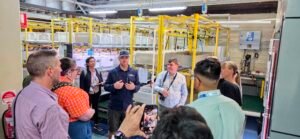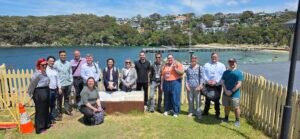
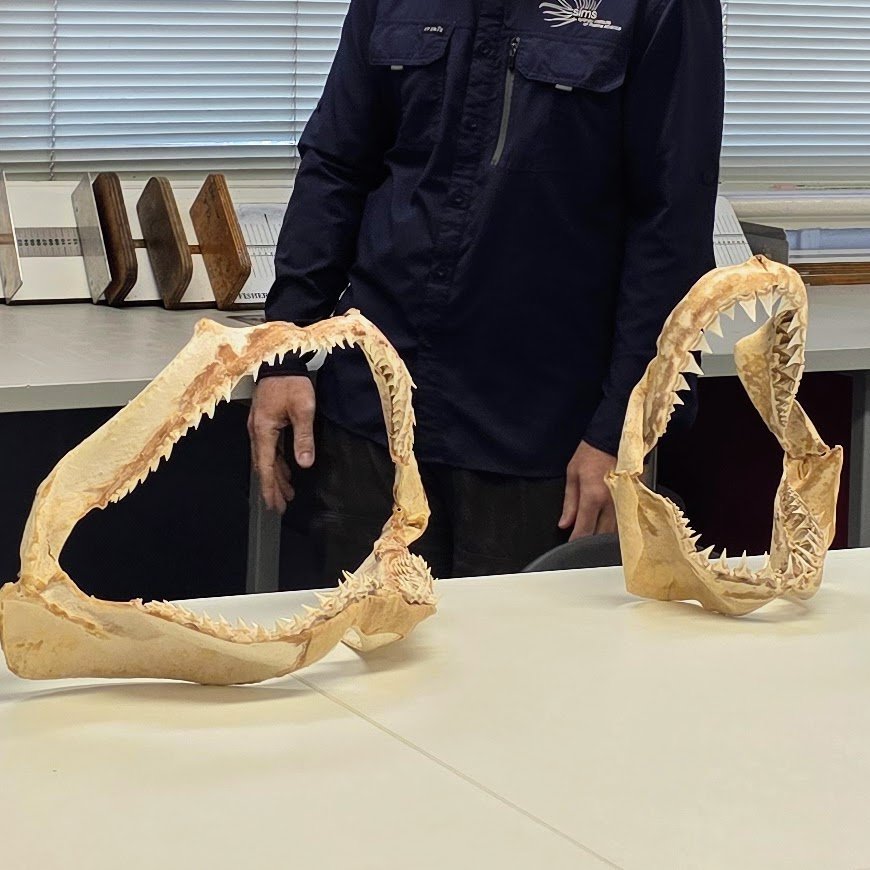
As part of our ongoing journey to better understand the environments that enable scientific progress, I recently had the privilege of visiting the Sydney Institute of Marine Science (SIMS). Perched above Chowder Bay with sweeping views across Sydney Harbour, the facility is as inspiring as the work being undertaken within it.
SIMS stands as the principal marine research hub in New South Wales, bringing together leading institutions including Macquarie University, UNSW, the University of Sydney, and the University of Technology Sydney. Its collaborative reach extends further, partnering with the Australian Museum and multiple state and federal departments.
With over 100 scientists and graduate students working across a broad spectrum of marine science disciplines, SIMS is a powerful example of what can be achieved when expertise is brought together under one roof. The level of collaboration and shared purpose is evident in every aspect of the facility.
The visit also brought together a diverse group of professionals from across Australia and New Zealand, including representatives from Jacobs, Curtin University, and others. What united everyone was a shared focus: creating environments where science can truly thrive.
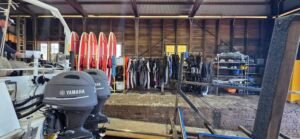
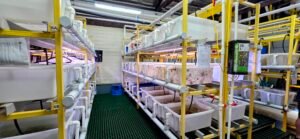
Among the many highlights, one initiative stood out in particular: The Sydney Seahorse Project. This remarkable conservation effort is dedicated to rebuilding wild seahorse populations through captive breeding and release programs, helping restore fragile coastal ecosystems.
The project is a powerful reminder that innovation in science isn’t confined to theory or the laboratory. When applied thoughtfully, it has the potential to deliver tangible, lasting environmental outcomes.
Experiences like this reinforce an important insight: the physical environment plays a critical role in supporting scientific work. Facilities like SIMS are not just places of research they are carefully designed ecosystems that foster collaboration, precision, and innovation.
As marine science continues to evolve, so too must the environments that support it. SIMS offers a compelling vision of what’s possible when world-class research is matched with purpose-built spaces driving not only discovery, but meaningful impact beneath the surface.